
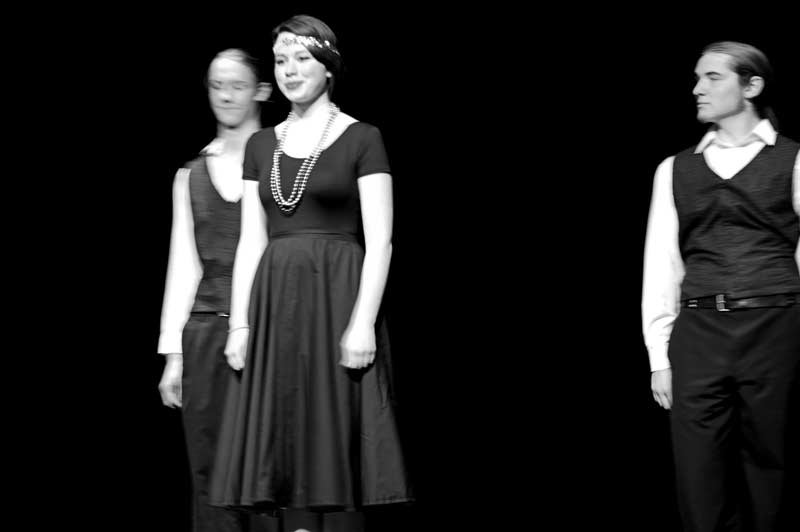
Sometime in 2009. Ivi’s partner, Cole, looks on. Foolishly handheld from an audience seat at about 1/8 second.
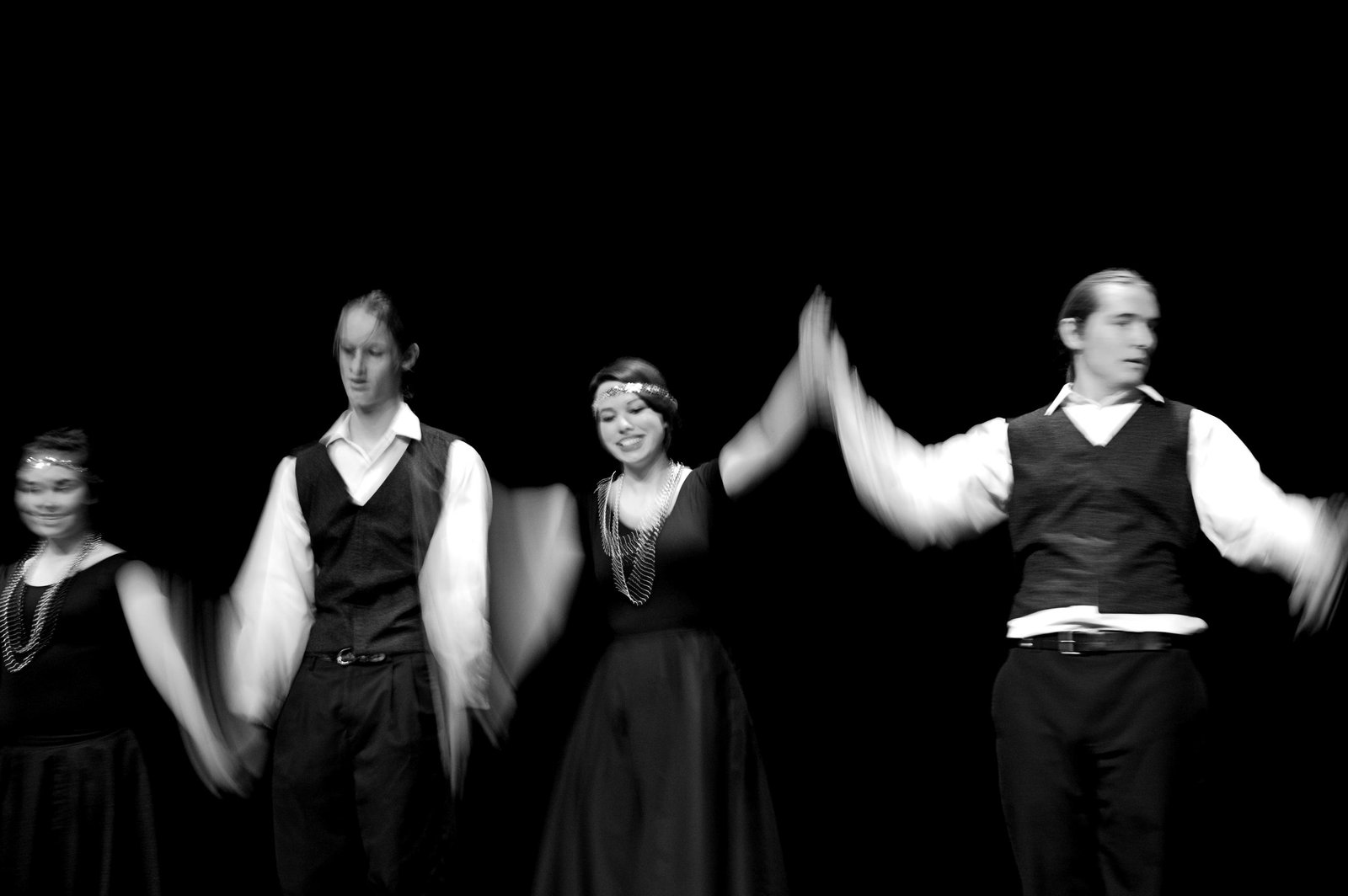
Sometime in 2009. Ivi’s partner, Cole, looks on. Recklessly handheld from an audience seat at about 1/8 second.
Sometime in 2009. Ivi’s partner, Cole, looks on. Foolishly handheld from an audience seat at about 1/8 second.
Sometime in 2009. Ivi’s partner, Cole, looks on. Recklessly handheld from an audience seat at about 1/8 second.
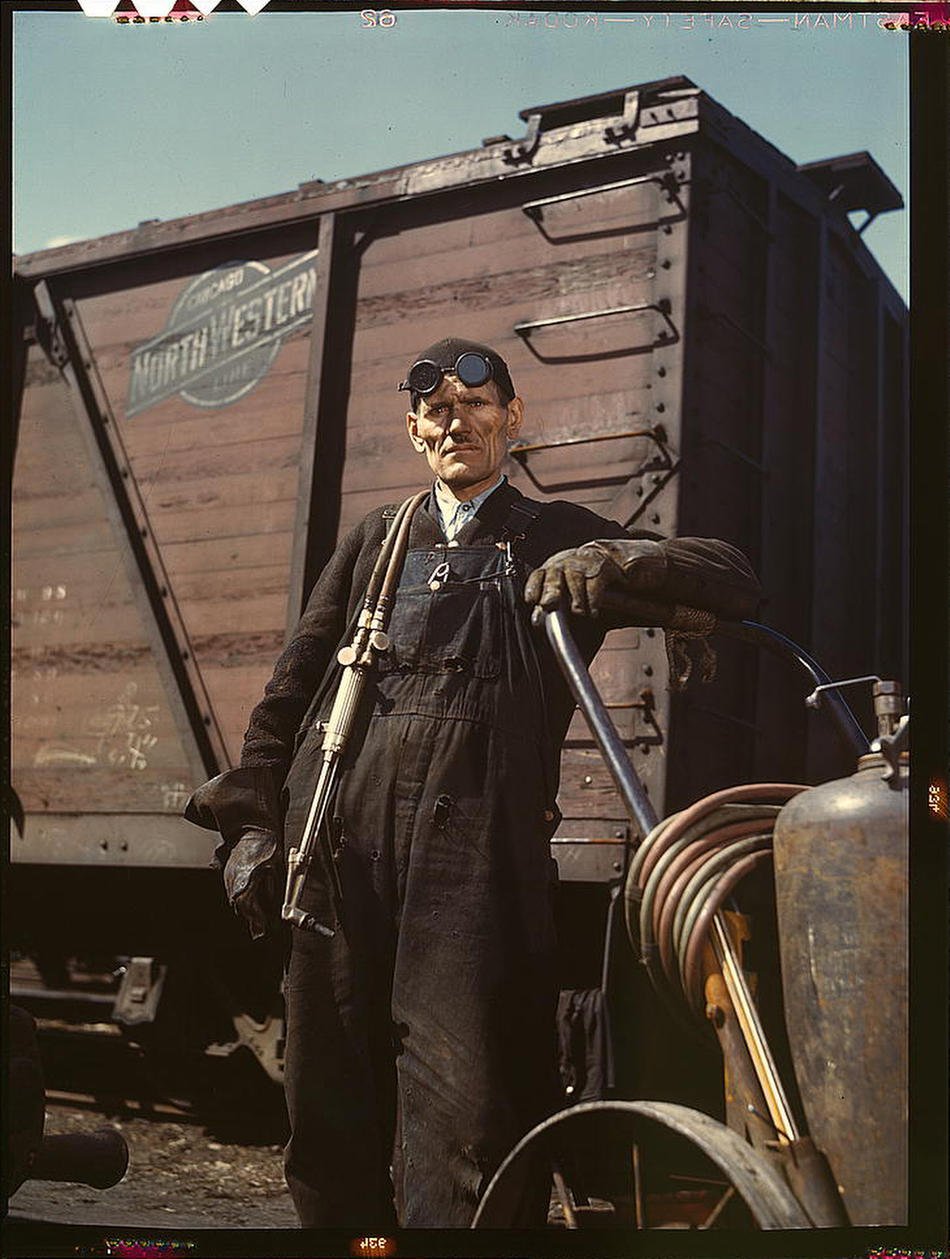
photo by Jack Delano
The Denver Post’s always-interesting photo blog recently published an array of color photos, taken between 1939 and 1943, by photographers commissioned by the Farm Security Administration and the Office of War Information. See them all on the Denver Post’s Plog.
The photo at right was done by Jack Delano, one of the famous FSA photographers recruited by Roy Stryker to document the Great Depression, its aftermath and other Americana. As such, Delano was on the same team as the likes of Dorothea Lange and John Vachon (Vachon, interestingly, was “rediscovered” recently when a series of his very rare Marilyn Monroe photos from the 50s was published this year). I also find it interesting that Delano was also a composer of music.
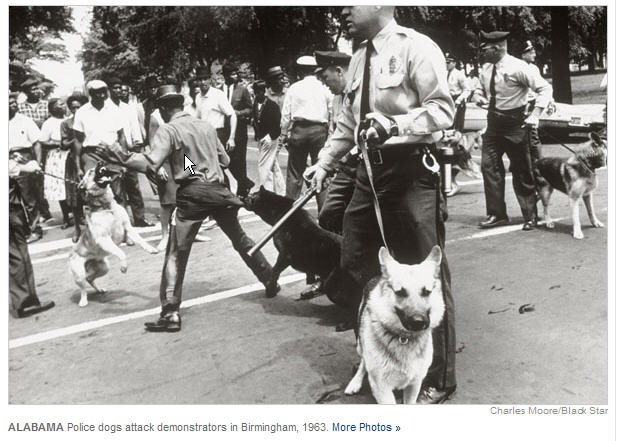 Friend and fellow photog John sends along a link to this New York Times piece on recently-deceased civil rights photographer, Charles Moore and the role of photojournalism.
Photograher David Guttenfelder has been photographing the war in Afghanistan for the past seven years. Here, the Denver Post publishes a portfolio of his outstanding work on its Captured photoblog:
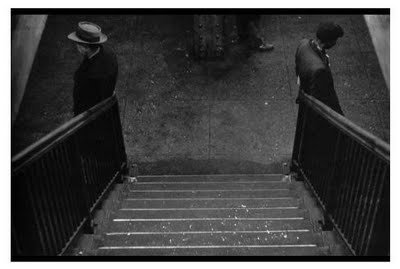
photo by Roy DeCarava
Roy DeCarava, the first black photographer to be awarded a Guggenheim grant, died recently. I remember him mostly from his photographs of Harlem neighborhoods and jazz scenes, which I encountered during my early years in photography. NPR offers up this tribute and story on DeCarava and his work.

Portland aloft – 2009-10-08 08:45:35
Just learning today that Jim Carroll died on September 11, I slipped down to my basement vinyl music stash. There it was, his 1980 album, Catholic Boy, containing the only piece that I had remembered: “People Who Died”. Carroll may have been a one-hit wonder with that number, but along with being a punk rocker of that era, he was a poet and authored the Basketball Diaries book that was turned into a movie with Leonardo DiCaprio. Here, now, People Who Died:
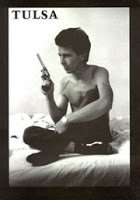 Almost every time I hear this song, I am reminded of Tulsa. Long out of print as far as I know, Tulsa was a book of photographs by Larry Clark, a drug addict who documented the sex-guns-drugs life (and death) of people around him in that Oklahoma city. The book, incidentally, was published in the early 70s by Ralph Gibson’s Lustrum Press. Not long after that I came to meet Ralph, whose own photographs as well as his publication of others’ work had become of great interest to me (and will probably be explored in future posts here as time allows).
Several months ago, niece-in-law and fabulous designer Chika told us about Isabella Rossellini’s wonderful scientifically-accurate videos of insect and marine sexual life. Here’s an example:
Last Saturday I visited the Charles A. Hartman Gallery in Portland. A rather special exhibition was just winding down in this small, relatively-new-to-the-area (I think Hartman is a transplant from San Francisco) gallery. Called “Faces: Vintage and Contemporary Photographic Portraits”, it was a rare opportunity to see such a range of quality and historic photographs not likely to be seen in one place in this neck of the woods.
What greeted me in the window from the street as I approached was a 1967 piece by my once-mentor Ralph Gibson from his book, The Somnambulist. (The book title was incorrectly spelled in the exhibition program, but all is forgiven… but I must admit that I looked at my copy of the book when I went back home.)

Photo (of Ralph Gibson photo of Mary Ellen Mark) by Lawrence Hathaway
Once inside, over thirty pieces awaited the viewer from the likes of Diane Arbus, Berenice Abbott (a wonderful 1926 portrait of James Joyce), Adam Clark Vroman, Henri Cartier-Bresson, Elliott Erwitt, Wayne Miller, William Klein, Werner Bischof and many more. Names you likely know. There was even a 1903 portrait of Chief Joseph of the Nez Perce (his grave is not that far from our neighborhood) by Edward Curtis.
In this interior view of one corner of the space we can see Arnold Newman’s 1954 Picasso, Frederick Sommer, Ralph Eugene Meatyard, Andre Kertesz’ 1931 Elizabeth, Harry Callahan, Sally Mann, Emmet Gowin (whom I had almost forgotten about until reminiscing with my wife a few weeks ago), Danny Lyon, Garry Winogrand, an Alfred Stieglitz that I had never seen or recalled seeing (I will have to review my book of Camera Work reprints), Manuel Alvarez Bravo, and Flor Garduno (new to me but very arresting).

Lawrence Hathaway photo
Seeing these photographs was a lot like meeting up with some old friends from my distant past. I will be keeping an eye on the activities of this gallery, for certain.