Here’s a time-lapse piece by Joe Capra, done with 80 megapixel images, each at 10328×7760 pixels. Please don’t do this one at less than fullscreen. See the backstory here.
10328×7760 – A 10K Timelapse Demo from SCIENTIFANTASTIC on Vimeo.
Here’s a time-lapse piece by Joe Capra, done with 80 megapixel images, each at 10328×7760 pixels. Please don’t do this one at less than fullscreen. See the backstory here.
10328×7760 – A 10K Timelapse Demo from SCIENTIFANTASTIC on Vimeo.

Porsche and Person
What do DCF and DCIM have to do with your digital camera’s files? Our friend, the How-To Geek, can tell us …
DCF is a specification created by JEITA, the Japan Electronics and Information Technology Industries Association. It’s technically standard CP-3461, and you can dig up the arcane standards document and read it online. The first version of this standard was issued in 2003, and it was last updated in 2010.
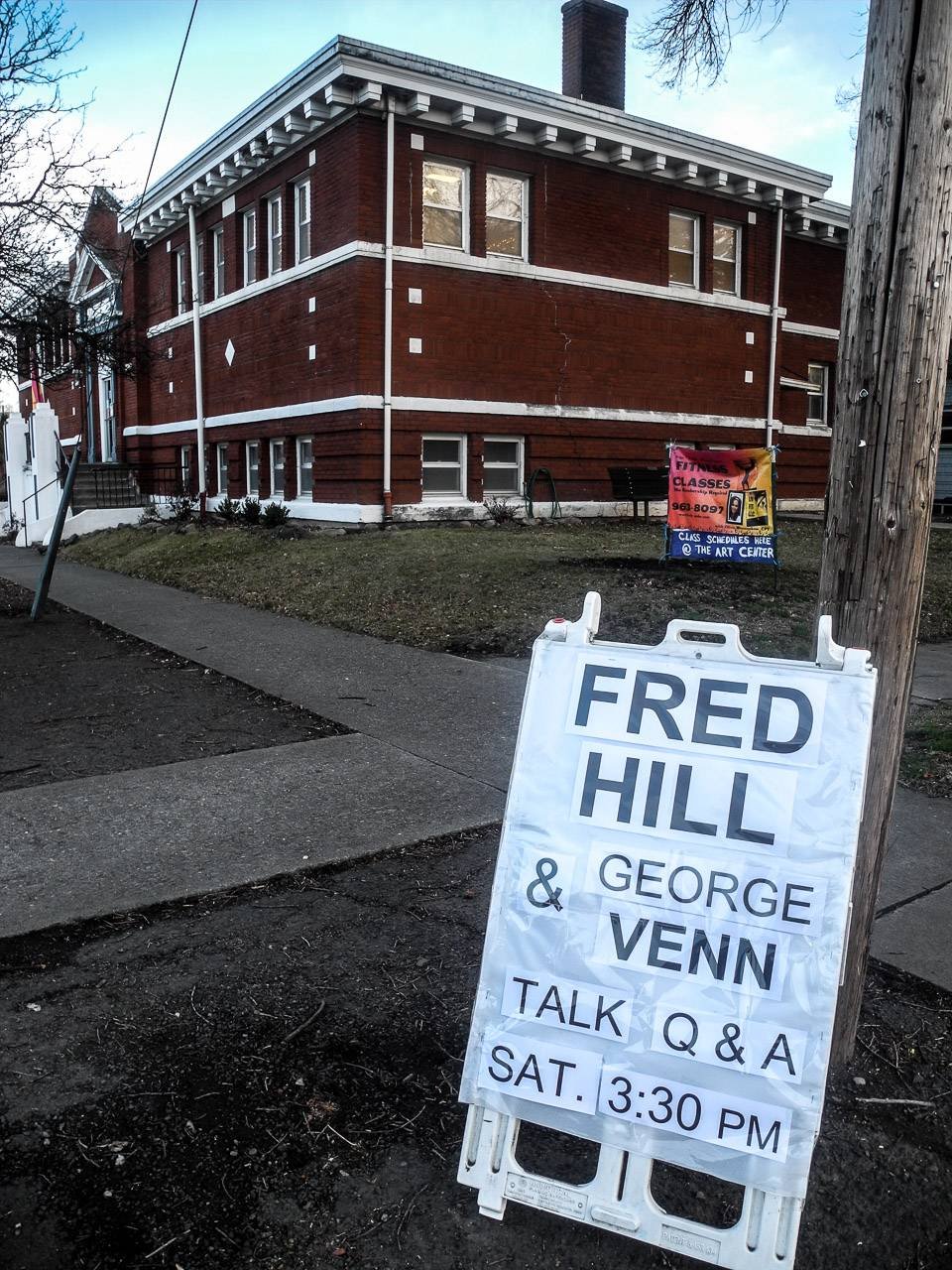
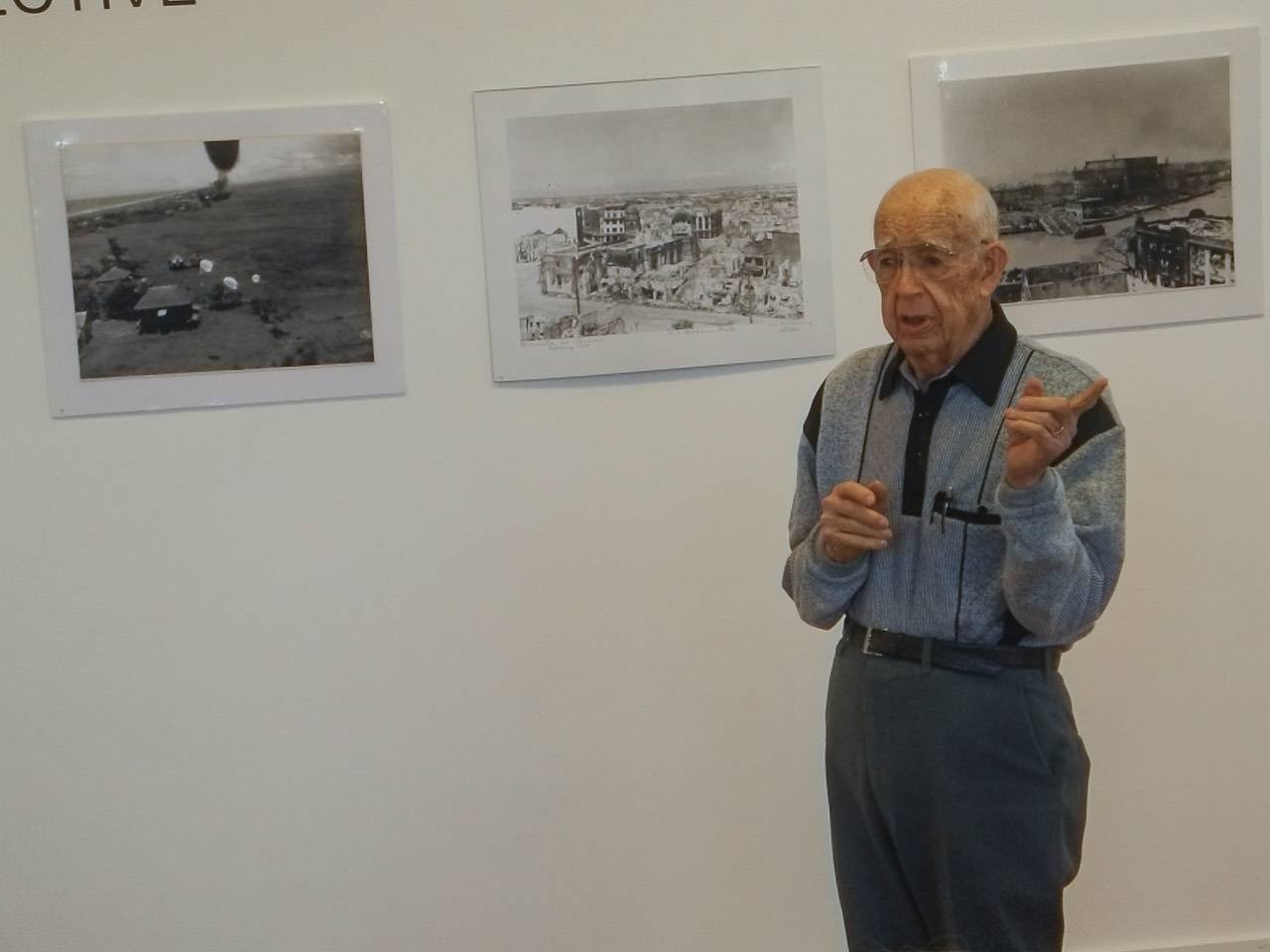
 Yesterday I had the distinct pleasure of hearing Fred Hill, a 94-year-old local photographic legend, talk about his long image-making career, with particular focus on his World War II stint as a military Pacific theater war-zone photographer. To quote commentary on Amazon.com:
Between October 1943 and October 1945, Fred Hill served as a Photo Lab Chief assigned to the 17th PRS, 5th Air Force in the Southwest Pacific. Working in sometimes crude darkrooms, he helped process thousands of photos needed by 5th AF commanders in mission planning and battle damage assessment. During that time Hill, a pre-war photographer, also took hundreds of photos showing life in the Pacific Theater and wrote dozens of letters describing those events to his wife.
 I got a chance to exchange memories of Ansel Adams with Fred, as he was a student of Adams in San Francisco immediately following the war in 1946, whereas I had studied briefly with Ansel at Yosemite in the early 70s.
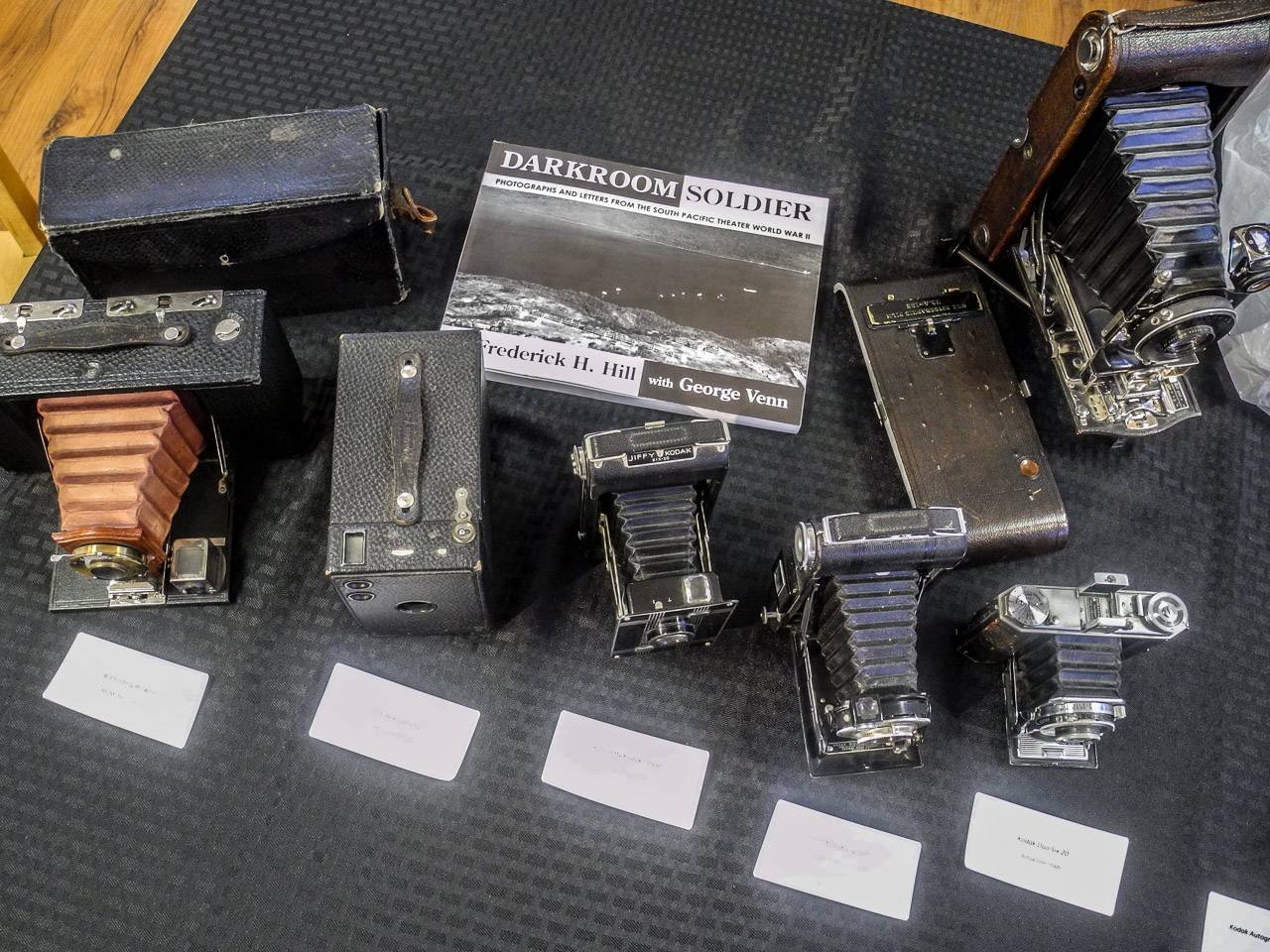
In his gracious and good-humored manner, Fred told of how his mother had taught him photography as a young child (and even had her camera on display, along with some of the other cameras — except for his large format view cameras — used throughout his career). He described in vivid detail his wartime adventures, mostly in the darkroom, and told of how he used, for his personal photo work, scrap negative ends from large-format aerial photography rolls mounted on B-25 bombers and other aircraft. Along with Fred’s own work spanning over eighty years of civilian and military activity, two books published of his work were available (see more info here), as well as a large selection of historical documentary work done by various photographers of local scenes mostly over the first half of the 20th century but maintained and printed by Fred.
Fred’s work will be exhibited through February 28 at the Union County Art & Culture Center.
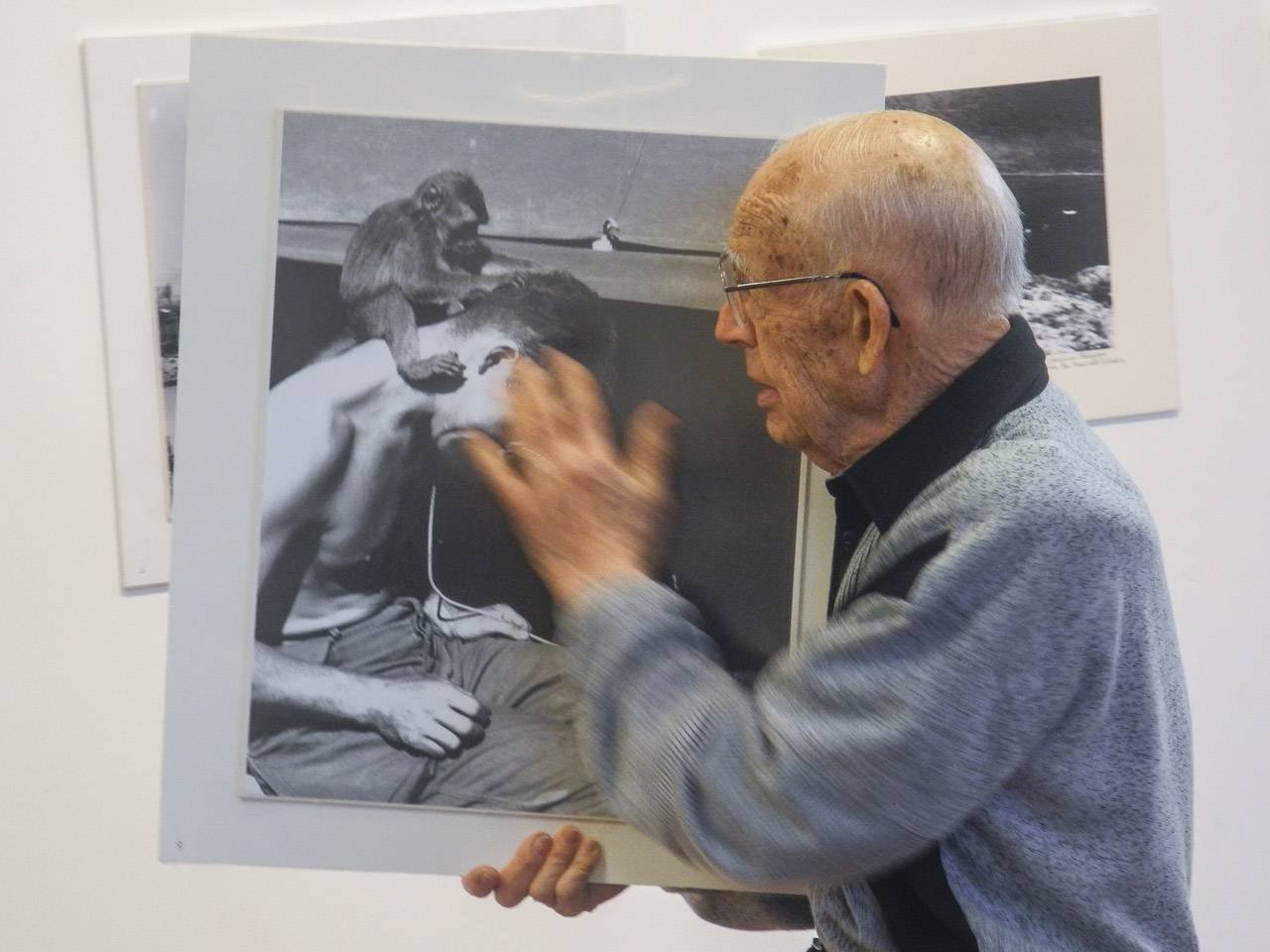
And one of the crowd favorites was a photo of Fred as a young serviceman in his combat zone station with Jocko, a squadron mascot, astride his back, included below.






If, like me, you follow the world of music and rely on websites such as NPR’s All Songs Considered (among many others) to find new artists, albums and sounds, you may know of Bob Boilen, the show/site’s host. Now we learn that he has taken up photography, grabbing images from concerts and performances. See a collection of his 2014 work here.

Boris at the 9:30 Club in Washington, D.C. (Photo by Bob Boilen/NPR)
 Not quite lost in space, but almost. The Atlantic posts this article on the material and equipment astronauts had to leave behind when they packed moon rocks for the ride home.
Here’s a documentary to add to your list of best movies of 2014. This is the Finding Vivian Maier trailer:
 Hit this link to see Tumblr’s 2014 Photographers to Watch from its 2014 Tumblr Year in Review. I’m still trying to work out my favorites. Some good stuff to be seen.